
laisser un message
Si nos produits vous intéressent et que vous souhaitez en savoir plus, veuillez laisser un message ici, nous vous répondrons dans les plus brefs délais.


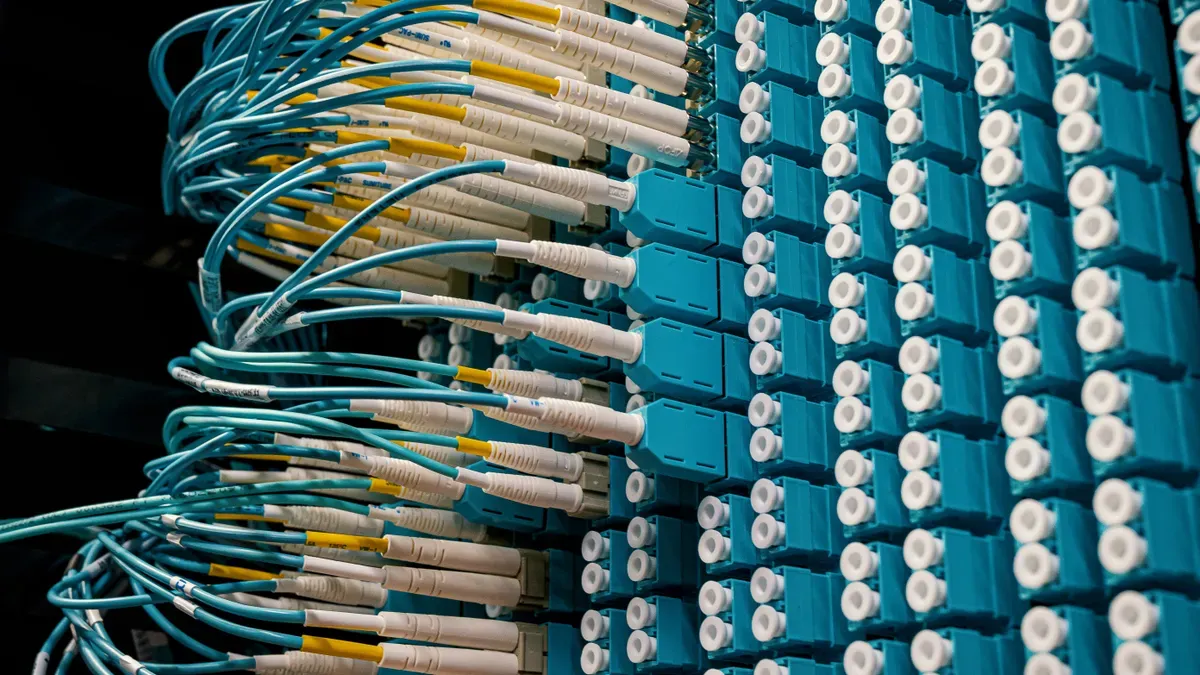
A fiber termination box is a compact enclosure where fiber cable runs end. It provides a critical transition point between incoming cables and pigtails. This device performs a dual role: protecting delicate fiber connections from physical damage, dust, moisture, and bending while organizing cables for easy access and maintenance. Without this box, your fiber network becomes vulnerable to failure and disorganization. These strands are extremely sensitive to contamination and stress. A Fiber Termination Box shields them from these hazards. A fiber termination box also manages slack storage, allowing easy access for splicing and future maintenance. Without it, these connections are prone to micro-bending and signal loss. Fiber optic networks depend on these boxes to maintain signal integrity and simplify troubleshooting.
Fiber termination boxes shield delicate fiber connections from dust, moisture, and physical stress.
They organize cables with slack storage and bend radius control to prevent signal loss.
Choose the right box based on installation location and fiber count for long-term reliability.
Regular inspection and cleaning of the box keep the fiber network operating reliably.
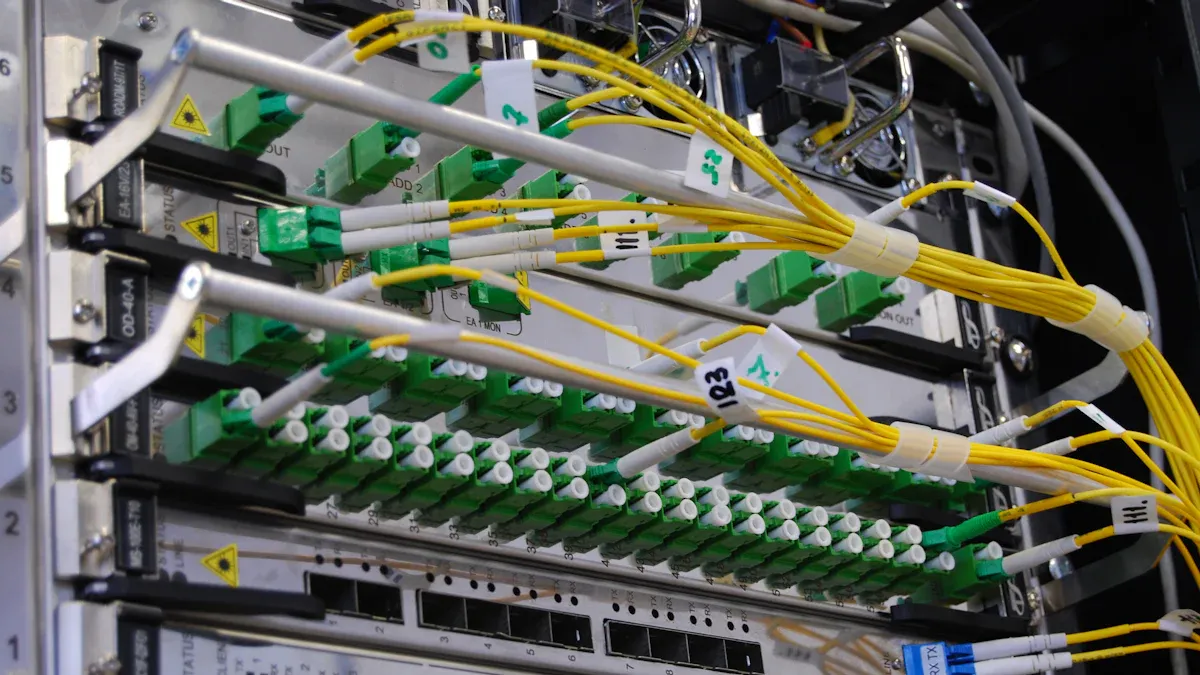
A fiber termination box performs two critical protective functions. It shields the delicate fibers from the outside environment, and it prevents physical stress that can degrade signal quality. Understanding these protection mechanisms helps you choose the right box for your network.
The housing of a fiber termination box creates a barrier against dust, moisture, and impact. Manufacturers use high-impact materials to withstand harsh conditions. For outdoor installations, you will often find boxes made from PC+ABS, a material that resists UV radiation and physical impact. Polycarbonate and UV-stabilized polypropylene are also common choices for IP65 or IP68 rated enclosures. Indoor boxes frequently use ABS plastic, which offers durability and impact resistance at a lower cost.
The box’s protection level is defined by its IP rating. The following table shows the key differences between IP55 and IP65 ratings:
| Aspect | IP55 | IP65 |
|---|---|---|
| Dust Protection | Dust protected (limited ingress allowed, not harmful) | Dust-tight (no ingress permitted) |
| Water Protection | Protected against water jets (6.3 mm nozzle, 12.5 L/min) | Identical water protection |
| Primary Difference | Allows some dust ingress | Completely dust-tight |
For environments with heavy dust, you should choose an IP65-rated box. The seal at every cable entry point is critical to preventing moisture ingress. Manufacturers use heat shrink sleeves or rubber ring seals to create a tight barrier. These seals block water, humidity, and condensation even in fluctuating temperatures. The box also handles extreme temperatures, UV radiation, and mechanical stress. You can install it outdoors, and it will protect the fiber from rain, salt, and pollution.
Fiber optic cables are extremely sensitive to bending. A tight bend causes signal loss and can permanently damage the fiber. A fiber termination box prevents this by managing the cable routing inside the enclosure. The box includes bend radius limiters and cable guides that keep the fiber at a safe curvature. You will find dedicated slack storage spools where you can coil excess fiber without creating sharp bends.
The box also provides strain relief at the cable entry points. This prevents the weight of the cable or accidental pulls from stressing the spliced connections. Inside the box, the fiber connector protection element securing each connector and prevents movement. This reduces the risk of micro-bending that occurs when the fiber is compressed or pinched.
By controlling the fiber path and securing the connectors, the box maintains signal integrity over time. You can trust that the fiber inside the box will not suffer from stress-induced attenuation. This is especially important in fiber optic networks, where even a small loss can degrade performance. The box’s internal design ensures that the fiber remains protected from mechanical forces, allowing the network to operate reliably for years.
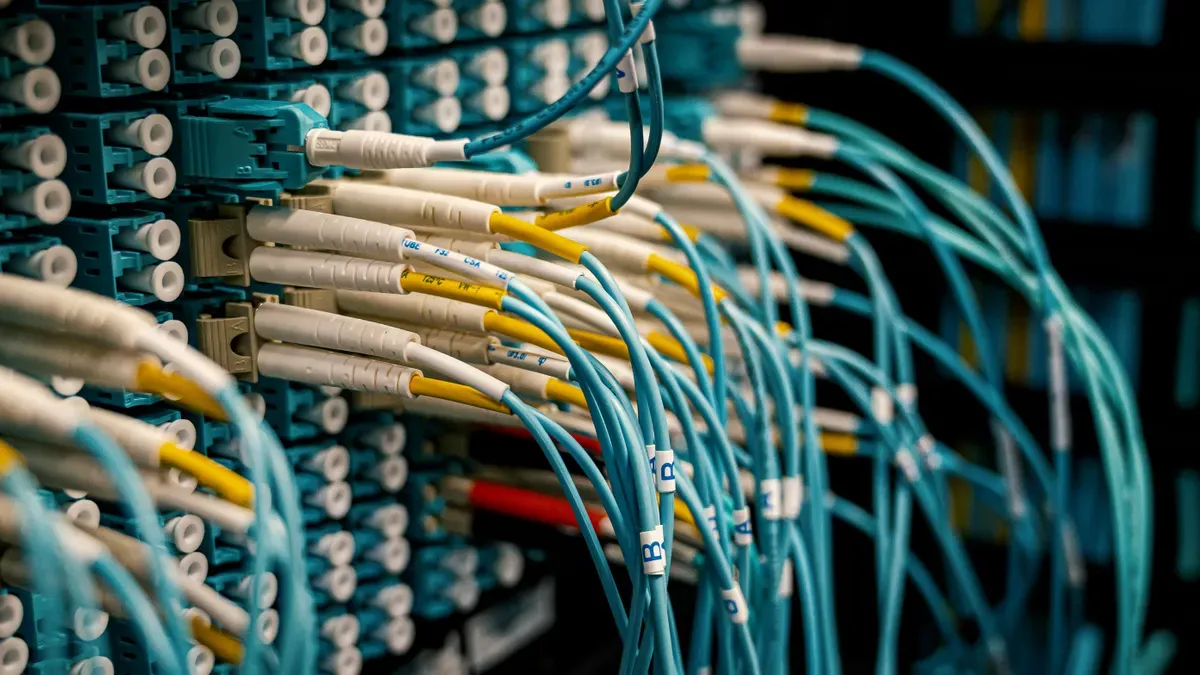
A fiber termination box does more than shield connections from harm. It transforms a chaotic bundle of cables into a structured, accessible system. Without proper organization, you face tangled cables, unclear labeling, and overcrowded pathways. These issues increase troubleshooting time and trap heat, which reduces performance and accelerates wear. The box solves this by serving as a transition point between the riser cable and the horizontal cable running to each unit.
Slack management determines whether your installation remains serviceable over time. You need enough spare fiber to perform repairs or relocate terminals without re-running cable. The table below shows recommended slack lengths for indoor installations:
| Slack Length | Purpose |
|---|---|
| 20-30 feet | General repair or relocation needs (e.g., cable cuts, terminal moves) |
| +30 feet | Stored at planned future drop points to save labor and materials later |
The box provides dedicated slack trays and routing channels that keep coiled fiber safe. You should leave 1-2 meters of slack per connection point for service loops. Use the built-in trays rather than coiling fiber loosely inside the enclosure. Keep patch cords long enough for service loops but short enough to avoid clutter. Ensure all connections remain accessible for testing and maintenance.
Capacity planning directly affects slack storage. Consider a 38-unit building with 50 projected subscribers. You need 4 modules of 1×16 PLC splitters, which requires 75 splice positions. A 96-port enclosure with 4 × 24-fiber trays provides 96 positions. A 48-port box would fill immediately, while the 96-port box offers room to grow. The adapter port count determines external connections, but splice capacity drives the amount of slack you must store. The physical routing space is the actual bottleneck—a box with many ports but poor routing channels cannot store slack safely.
Mechanical strain and sharp bending are underappreciated failure modes. Internal wire damage from a cable bent past its minimum bend radius produces intermittent connectivity issues that are genuinely difficult to diagnose without a cable tester. Preventing that damage through proper routing and cable slack management is far cheaper than chasing phantom failures. Too much slack creates tangles and airflow blockage; too little creates strain at terminations.
The box also simplifies the technical work of splicing and termination. An Indoor Fiber Termination Point Box provides organized space for fusion splicing. Internal trays hold and protect fiber links, accommodating splice trays for fused fibers. The design includes space for overlength and terminated fibers, allowing easy management of slack. Technicians can access fibers quickly during maintenance without impairing network service.
A quality fusion splice typically achieves a loss of less than 0.05 dB, reflecting the precision of modern fusion splicers. For singlemode fusion splices, the typical loss is 0.15 dB per splice as per FOA guidelines. These low-loss connections require clean, protected environments—exactly what the box provides. The secure enclosures for optical connectors, adapters, and splice trays simplify termination tasks considerably.
Common causes of disorganized cabling include lack of clear labeling, overcrowding cables in small spaces, and bending beyond minimum bend radius specifications. Twisting or kinking during installation, over-tightening cable ties that compress the fiber, and excessive pulling tension also create problems. A well-organized fiber termination box prevents these issues through structured routing and strain relief. This organization keeps your fiber optic networks running reliably and makes future maintenance straightforward. Whether you use a compact indoor fiber termination box for a home installation or a larger enclosure for a multi-dwelling unit, proper organization ensures long-term performance.
Selecting the correct enclosure requires evaluating your environment, installation constraints, and fiber count. The right choice prevents premature failures and simplifies future upgrades. Consider these key considerations for selecting fiber termination boxes before making a purchase.
Your installation environment dictates the protection rating you need. Indoor fiber termination boxes suit protected spaces like utility closets and data rooms. These units use lightweight ABS plastic and carry lower IP ratings (IP20–IP40) since they face no moisture or dust exposure. Outdoor fiber termination boxes demand far more robust construction. They use PC+ABS or PP+GF composites engineered to resist UV radiation, temperature extremes, and physical impact. These enclosures carry IP55 to IP68 ratings and include fully sealed gaskets.
The table below compares the critical differences:
| Environmental Factor | Indoor Requirement | Outdoor Requirement |
|---|---|---|
| IP rating | IP20–IP40 | IP55–IP68 |
| UV resistance | Not required | Required |
| Sealing | Basic | Fully sealed with gaskets |
| Material melting point | No special requirement | ≥120°C |
For submerged or flood-prone locations, you need IP68-rated outdoor fiber termination boxes. These units pass EN 60529 submersion tests and deliver long-term reliability. Plastic IP65 boxes offer a lower initial price, but metal IP68 enclosures may deliver a 37% lower total cost of ownership over ten years due to fewer replacements and repairs.
Your available infrastructure determines whether you choose wall-mount or rack-mounted fiber termination boxes. Wall-mount units support 12 to 144 fibers and require only wall studs or a backboard. They work well in older buildings, utility closets, and retrofit projects where rack space does not exist. Rack-mounted fiber termination boxes fit standard EIA-310 19-inch racks and support 144 to 864+ fibers through modular cassettes. Data centers and main distribution frames prefer these units for their scalability and integration with cable managers.
| Criteria | Wall-Mount | Rack-Mount |
|---|---|---|
| Fiber capacity | 12–144 fibers | 144–864+ fibers |
| Infrastructure | Wall studs/backboard | EIA-310 rack |
| Scalability | Limited | High (modular) |
| Ideal deployment | Small branches, retrofits | Data centers, MDFs |
A typical FTTH deployment uses an optical distribution box with 8 to 96 cores. Indoor wall-mount boxes commonly support 8–24 cores, while larger enclosures handle up to 96 cores. Match the core count to your current subscribers plus projected growth. An optical distribution frame serves larger aggregation points, while a fiber terminal box handles distribution at the subscriber level. Choose based on your network architecture and future expansion plans.
A fiber termination box stands as the guardian of your entire network's integrity. It shields delicate fiber from environmental threats while organizing connections for effortless maintenance. Without proper protection, even premium fiber optic networks suffer premature failure and costly downtime.
Your selection directly impacts long-term stability. Match the enclosure to your installation environment and core count. Indoor installations demand lightweight ABS units with basic sealing. Outdoor deployments require rugged PC+ABS construction with IP55 or higher ratings. Consider the IP55 Outdoor Terminal Box for exterior applications. This unit delivers reliable protection against dust and water jets. For home or office use, choose an indoor model that fits your space constraints. Evaluate your fiber count carefully. Choose a box that accommodates current needs plus future expansion. The right fiber termination box ensures your network performs reliably for years.
Inspect the seals and cable entry points annually. Clean the interior with a lint-free cloth. Check for loose fiber connections. This keeps the network operating reliably.
No. Indoor boxes lack UV resistance and proper sealing. Outdoor conditions demand IP55-rated or higher enclosures. Using an indoor box outdoors risks moisture ingress and premature fiber connection failure.
Leave at least one to two meters of slack per fiber connection. Use the built-in slack trays to coil excess fiber safely. This allows future repairs without pulling new cable.
Dust on fiber connectors, tight bends, and loose splices cause loss. The box prevents these issues through sealed enclosures, bend radius limiters, and secure splicing trays. Regular cleaning maintains low loss.
Wall-mount units suit small fiber installations with 12 to 144 fibers. Rack-mount enclosures fit data centers needing 144 to 864 plus fibers. Match the design to your available space and fiber count.
laisser un message
Scan to Wechat :

Scan to WhatsApp :


